Embroidering Connection: The African Masai Tribal Design
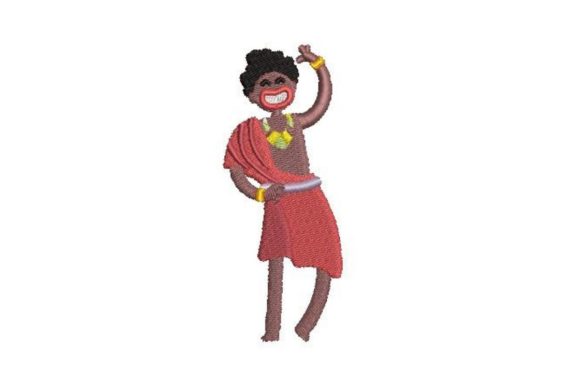
As someone who stitches stories into fabric for a living, I approach every new embroidery file with a mix of excitement and scrutiny. Today, I'm testing the African Masai Tribal machine embroidery design, considering it for my line of personalized gifts. My workshop is filled with possibilities: a soft baby blanket awaiting a motif, a crisp apron for a custom order, a set of kitchen towels destined for a wedding gift box. This design promises a delicate, fresh look. Let's see if it delivers.
A First Impression: Subtle Charm with Emotional Weight
My initial reaction to the African Masis Tribal pattern was its elegant simplicity. It doesn't shout; it whispers. There's a handmade, classic feel to its structure that avoids being overly playful or overtly romantic. It carries a quiet dignity, a connection to tradition without being heavy or overly complex. This emotional appeal is its greatest asset for a personalized gift shop. It feels meaningful, not merely decorative. A customer looking for a gift with soul—for a nursery item, a family keepsake, or a wedding token—would be drawn to this depth. It speaks of heritage and artistry, which translates beautifully into perceived value.
Versatility in Application: From Baby Blankets to Tote Bags
The true test of any digital embroidery file is its application range. For African Masai Tribal, the potential is broad.
- Baby Embroidery & Nursery Decor: On a organic cotton blanket or a linen crib sheet, this design would add a culturally rich, gentle motif. It feels far more special than a generic cartoon character.
- Wedding Gifts & Keepsakes: Embroidered onto the corner of a premium pillow cover or a set of hemmed kitchen towels for a new home, it becomes a symbol of foundation and shared journey.
- Home & Personal Accents: A canvas tote bag, a chef's apron, or a linen tea towel transformed with this pattern elevates a daily object into a statement of appreciation.
- For Sellers & Crafters: At a craft fair or in an Etsy listing, this design offers a unique product story. It allows for custom order previews and can be marketed as a handmade product with a narrative, boosting buyer engagement.
Practical Considerations for Perfect Stitching
Embroidery is a practical art. That delicate, fresh look depends entirely on execution. Here are my notes from planning.
Fabric and Context Choices
This design, with its likely fine lines and details, requires thoughtful placement. I would use it carefully on:
- Textured or thick fabrics like terrycloth towels, where stitch definition can be lost.
- Stretchy substrates like baby clothes, unless stabilized impeccably.
- Dark fabrics without first testing thread color contrast; a light thread on dark ground might be stunning.
- Products requiring frequent washing; a dense, secure stitch pattern is crucial for durability.
- Highly curved surfaces where the design could distort.
The key is always to test on scrap fabric first, matching the final product's material.
The Technical Checklist
Before loading the file, I run through my mental checklist. For African Masai Tribal, this means:
- Confirming Hoop Size: The design must fit my intended hoop for the project—a small motif for a towel corner, a larger one for a pillow center.
- Reviewing Stitch Density: A delicate look often comes from lighter density, but it must still be robust. I'll examine the stitched test for coverage.
- Using Proper Stabilizer: This is non-negotiable to preserve those clean lines, especially on lightweight or stretchy fabrics.
- Checking Small Details: After stitching, I'll inspect any fine elements to ensure they are crisp and not lost.
- Comparing Mockups: Creating a simple printable mockup or comparing how it looks on light versus dark fabric digitally helps plan thread colors.
Since the product description mentions it comes with multiple embroidery file formats, I'll ensure I'm using the correct one for my machine. The note about it being usable with multiple machines is a great relief for a shop running different models.
Giftability and Customer Trust
When I consider a design for my small shop products, its impact on the finished product's story is vital. African Masai Tribal inherently boosts giftability. It feels considered and unique, not mass-produced. This elevates the handmade quality in the customer's eyes and builds an emotional connection to the item. In product photography, a pillow or blanket adorned with this pattern tells a richer story than a plain one, aiding in online sales for Etsy sellers and digital product sellers.
For commercial embroidery, like creating inventory for a gift shop, it's essential to confirm commercial licensing before selling finished products. The description doesn't specify terms, so I would need to verify this to operate with confidence and maintain customer trust.
Final Thoughts: A Design with a Purpose
The African Masai Tribal machine embroidery design isn't just another file in the library. It's a tool for creating connection. It suits the customer who seeks meaning over mere ornamentation. For the crafter or small business owner, it offers a versatile, emotionally resonant motif that can transform a simple towel, blanket, or bag into a personalized gift that feels both fresh and timeless. My recommendation is to embrace its subtle charm, but respect its technical needs—test thoroughly, choose fabrics wisely, and let its elegant simplicity speak for itself on your next custom embroidery project.