A Design Review: The Happy Bunny for Boutique Sweatshirts
Let’s talk about a real project: a boutique brand is planning a limited sweatshirt drop. The mood is cozy, handmade, and quietly charming. When I review an embroidery design for this context, like Happy Bunny, I’m looking beyond the digital file. I’m picturing how it will live on fabric, in a shop’s photographs, and on a customer’s hoodie. Today, I’m evaluating this Woodland Animals embroidery design from the perspective of a professional preparing for production.
First Impression: Decoding the Mood of Happy Bunny
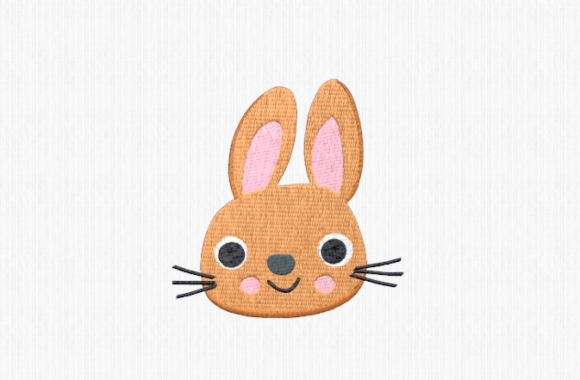
The title tells me everything: Happy Bunny. It’s not aggressive or overly stylized; it’s sweet, approachable, and playful. The description emphasizes a “happy funny face” and a “sweet smile.” This immediately signals a casual, cute, and likely feminine or family-friendly aesthetic. For a boutique brand, this mood is gold. It translates into a design that feels decorative and heartwarming without being childish. My first thought is how this smile would resonate on a premium, neutral sweatshirt—a soft beige or cream. The design isn’t described as bold or minimal, so I anticipate a detailed, illustrative style that’s more rustic and playful than sleek and geometric.
Placement & Application: Where Happy Bunny Thrives
For sweatshirt embroidery, placement is key. A happy face like this is perfect for the classic chest position on an oversized hoodie. It’s a focal point that invites a smile back from the wearer. Consider it also as a charming sleeve accent, perhaps smaller and repeated, or as a standalone, larger back design. Its “sweet smile” quality makes it excellent for boutique merchandise aimed at creating a lifestyle feel—think product photography with the wearer holding a coffee mug, the bunny peeking out. For Etsy sellers and small shops, this visual storytelling in mockups and listings is crucial. Happy Bunny lends itself to those cozy, seasonal apparel shots that drive engagement.
On dark fabric, like a charcoal grey sweatshirt, the thread colors will need to pop. Contrast is essential. On pastels—a lavender or mint hoodie—the design would feel integrated and softly decorative. This versatility is a major plus for a small shop product line where you might offer a few color options.
The Practical Designer’s Checklist
Now, let’s move from the mood to the machine. Here are my practical concerns when considering Happy Bunny for commercial embroidery.
Fabric & Stabilizer Considerations
Sweatshirt material varies. On a thick, textured fleece, the design’s stitch density needs to be robust enough to sit cleanly without sinking into the fabric. A good, cutaway stabilizer will be my friend here. I’d test on a scrap piece first. The description doesn’t specify a hoop size, so I’d need to check the actual embroidery file to ensure it fits comfortably for chest placement—likely a 4x4 or 5x7 hoop would be common.
Stitching Personality & Durability
How will the “happy funny face” translate into stitches? Is it primarily satin stitch for smooth cheeks, or a mix of fill and detail stitches for texture? The detail level suggested implies it’s not a minimalist outline. This means it should have good visual weight and washing durability. For a handmade product, this durability builds buyer trust. A design that frays or loses detail after a few washes hurts a brand’s reputation.
Readability & Commercial Use
If the boutique wants to offer a smaller version, say on a kid’s sweatshirt or as a pocket detail, I need to know if the design’s features—that sweet smile—remain clear at a reduced size. This is a vital check before production. Since it comes with multiple embroidery file formats, I can likely resize it with confidence, but testing is non-negotiable. Does it feel strong enough for commercial apparel use? Based on the description’s tone, I believe it’s designed as a decorative embellishment, which is perfect for the boutique market. It’s not a corporate logo, but a piece of art meant to enhance a garment.
Building Brand Identity with a Simple Smile
A design like Happy Bunny does more than decorate a hoodie. It becomes part of a brand’s visual language. For a small clothing brand specializing in cozy, whimsical apparel, this bunny can become a recognizable symbol. It fosters customer engagement—people connect with cheerful imagery. In a market saturated with generic graphics, a unique, well-executed embroidered face adds perceived value. It shouts “handmade attention” louder than a printed graphic.
When paired with good custom apparel branding—like thoughtfully chosen sweatshirt blanks and quality tags—the entire product feels premium. The bunny is the charming signature.
Final Thoughts for the Creative Entrepreneur
Reviewing Happy Bunny as a machine embroidery design for a boutique sweatshirt project, I see a strong candidate. Its described mood aligns perfectly with the cozy, personal vibe of small brands and Etsy shops. It’s adaptable across fabric colors and placements. My professional advice is always to move from review to test. Use the provided digital embroidery files to stitch out a sample on your intended sweatshirt fabric. Check the exact stitch count, file formats, and any included instructions for hoop size and recommended stabilizer that come with the design.
This bunny isn’t just an embroidery file; it’s a potential centerpiece for a product line that feels personal, playful, and lovingly made. That’s the kind of asset that turns a simple hoodie into a boutique’s hero product.