Greek Pattern Frame: A Classic Border for Professional Embroidery Projects
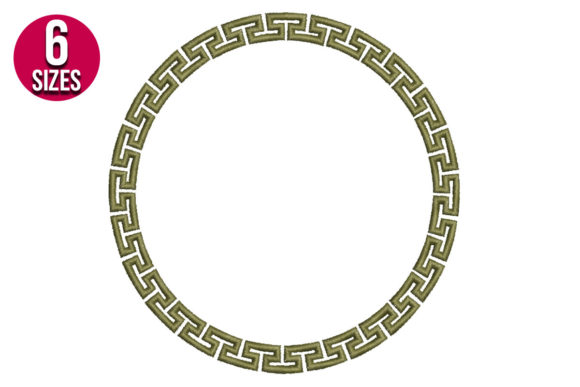
Let’s talk about this Greek Pattern Frame design as if we’re about to load it into the machine for a real client order. As a designer who reviews embroidery files for practical use, my first question is always: does this design have the right personality and technical clarity to work in a finished product? When I look at this Greek Pattern Frame, I see a splendid, ornate border. Its immediate impression is one of classic elegance and structured embellishment. It doesn’t scream; it frames. That’s its entire job, and it promises to do it beautifully.
The Mood and Fit: Where This Frame Naturally Belongs
This design creates a mood of timelessness and intentional decoration. The theme is clearly classical, suggesting order, celebration, and heritage. The layout, as a continuous border frame, offers a versatile canvas for personalization. The detail level appears intricate but not overly dense—it should translate into clean satin stitches and defined fill areas. Its visual personality is formal yet adaptable, making it feel appropriate for projects that need a touch of sophistication without being overly fussy.
In my studio, I immediately imagine this frame encircling a wedding date on a linen pillow cover for a boutique gift shop. Or, I think of it bordering a family name on the back of a high-quality cotton sweatshirt for a personalized apparel order. It belongs to projects where the text or central element is the star, and the frame acts as a supportive, elevating accent. It’s not a standalone graphic; it’s a collaborator.
Real-Life Stitching: How It Performs on Actual Products
Consider preparing a custom embroidered tote bag for a small shop’s merchandise line. The shop wants its logo phrase framed for added value and presentation. Here, the Greek Pattern Frame’s performance is key. On a sturdy tote bag fabric, the frame’s structured detail should stitch out with good clarity, providing a polished look that elevates the bag from simple to boutique-quality. The same applies to a baby blanket’s corner, framing a birth name; the classic pattern feels both celebratory and enduring, a gift that grows with the child.
For commercial embroidery projects like a series of aprons for a kitchen brand, this border could consistently frame a motto, ensuring brand consistency across multiple units. In digital product previews for Etsy sellers offering embroidery files, this frame makes a printable mockup look instantly more complete and professional, aiding buyer engagement. On a tea towel or pillow cover, it transforms a basic item into a thoughtful holiday gift. The design adds perceived value through its handmade presentation.
Where to Use with Care: Practical Considerations for Clean Results
While versatile, a design like this requires careful application in certain situations. On small hoop sizes, the intricate details might become too compressed, losing their elegant openwork feel. On textured or highly stretchy fabrics like some t-shirt knits, the clean lines of the fill stitch and satin stitch elements could distort without proper stabilizer strategy. Dark fabric backgrounds demand thoughtful thread color contrast—light, metallic, or bright threads will make the pattern shine, while poor contrast will hide its detail.
Applying it on curved surfaces like caps requires testing; the corners and continuous flow of the border might need adjustment for the curve. For products destined for frequent washing, such as baby clothes or kitchen linens, a sensible stitch density is crucial to maintain integrity over time. And while it’s perfect for framing words, pairing it with tiny lettering inside might overwhelm the text; scale and balance are everything.
How This Frame Affects Your Project’s Success
Using a well-executed border design directly impacts visual appeal and customer trust. A crisp, classical frame around a client’s name signals attention to detail and elevates the entire piece. For a craft business selling embroidered patches, this frame can turn a simple text patch into a premium product, enhancing brand consistency and professionalism. The giftability of a personalized item skyrockets when the presentation feels intentionally designed, not just stitched. For the maker, it builds confidence; a reliable, beautiful border is a design asset that saves time and increases client satisfaction.
Embroidery Designer Notes: Your Pre-Stitch Checklist
Before committing this Greek Pattern Frame to a final project, run through this practical checklist based on real studio habits.
- Test on Scrap First: Always stitch the design on a scrap of your target fabric. This reveals the true stitch density, how small details like the pattern’s corners render, and any potential thread build-up.
- Check Contrast: Review your thread color choices against both light and dark fabric backgrounds. Sometimes a design needs a slightly brighter or more muted palette than expected to maintain clarity.
- Confirm Hoop Size & Stabilizer: Ensure the physical size of the embroidery file fits your project’s available hoop area and that you’re using the correct stabilizer for your fabric type—especially for thin or stretchy substrates.
- Inspect for Commercial Use: If you plan to sell the finished tote bags, sweatshirts, or patches, verify the design’s licensing terms. Does it allow for commercial use of the embroidered products? Never assume.
- Visualize in Mockups: Test the design in simple black and white digital mockups. This helps judge its visual weight and balance with other elements before stitching.
Remember, this splendid Greek Pattern frame is a tool. Its job is to beautifully frame words, names, dates, or anything else you place within it. As an embroidery designer, your job is to pair it with the right project, fabric, and technique so that its classic potential is fully realized in a tangible, stunning finished product. Whether for a personalized gift, a small shop product, or a commercial embroidery run, its success hinges on your thoughtful application. Happy stitching.