Mexican Doll Embroidery Design: A Real-World Review
A Burst of Colorful Joy on First Impression
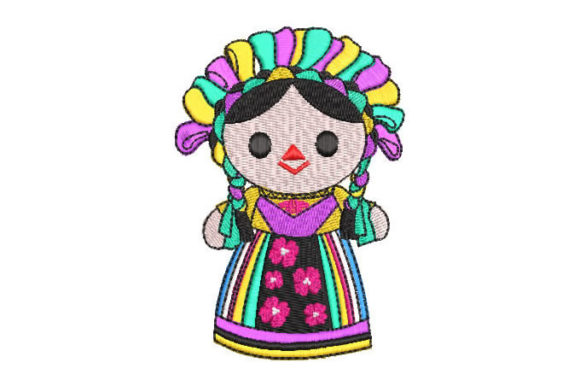
Opening this file, the first thing that strikes you isn't just the complexity, but the cheerful personality. The Mexican Doll for Children design is a celebration of color and happiness. As a designer, I instantly see a design with a warm, inviting mood—it’s not just decorative; it tells a little story. The layout feels balanced, with a level of detail that promises visual richness without overwhelming smaller items. This isn't a generic graphic; it has a distinct visual personality that speaks to handmade charm.
Where This Design Naturally Belongs
My mind immediately starts cataloging projects. The description mentions children's clothing and playroom items, which is spot-on. But its application feels wider. Think of a custom embroidered tote bag for a vibrant, creative client. Imagine it centered on a child’s sweatshirt or the corner of a cozy blanket in a nursery. It has that boutique-quality feel that elevates simple items. For small shop merchandise, like an embroidered patch sewn onto a denim jacket, it becomes a statement piece. Its thematic warmth makes it a strong candidate for personalized gifts, especially those with a cultural or festive touch.
The Perfect Project: A Custom Birthday Apron
Let’s walk through a real scenario. I’m preparing a custom birthday gift—a child’s apron for baking with grandma. The Mexican Doll for Children embroidery design is my choice. I consider a bright, stable cotton fabric. The design's colorful nature means I’ll need to pay close attention to thread color contrast, especially if the base fabric is also vivid. I visualize the finished product: the doll’s happy face becoming a focal point, transforming a simple apron into a cherished, personalized heirloom. This is where the design’s value shines; it adds significant emotional weight and perceived craftsmanship to a basic item.
Performance in Real Embroidery Situations
For practical use, this design’s success hinges on thoughtful application. On sturdy fabrics like cotton tote bags, pillow covers, or tea towels, it will likely perform beautifully, with the satin stitch and fill stitch areas holding crisp detail. For apparel like kids’ pajamas or bathrobes—mentioned in the description—proper stabilizer choice is critical, especially on stretchy or textured fabrics. The stitch density will be a key factor here; a dense design on thin fabric can cause puckering.
I would be cautious on very small hoop sizes or curved surfaces like caps. Smaller hoops might compromise the clarity of the smaller decorative accents. Always test the design on scrap fabric first, mimicking the final project’s material. This is non-negotiable for maintaining customer trust and professional results in your craft business.
Navigating Tricky Applications
Some contexts require extra care. Embroidering onto dark fabric demands a thoughtful thread palette to ensure the colors pop without losing vibrancy. For products needing frequent washing, like kids’ clothing, the integrity of the stitching and the stability of the fabric underneath are paramount. This isn’t a design I’d casually slap onto a delicate, sheer material. Its strength is on stable grounds where its colorful, detailed personality can fully emerge without technical compromise.
Impact on Your Business and Audience
From a commercial perspective, this machine embroidery design is a versatile asset. For Etsy sellers and apparel decorators, it offers a product that feels both handmade and professionally executed. When used consistently across a line—say, on a series of kitchen towels and matching aprons—it builds brand consistency. Its inherent giftability enhances your product listings, appealing to buyers looking for unique, personalized gifts.
The visual appeal translates directly to perceived value. A clean, well-executed stitch-out of this design on a finished product communicates quality, which drives buyer engagement. For digital product sellers, providing clear printable mockups showing the design on various items (like a sweatshirt or baby bib) can dramatically improve a customer’s understanding of its potential.
Essential Designer Notes Before You Stitch
Before you commit to a client project or batch of small shop products, run these practical checks. First, review the stitch density and small details in your software. Are there tiny elements that might get lost on a textured fabric? Second, compare light and dark fabric backgrounds digitally or with simple tests. Does the color palette work on both? Third, absolutely confirm the licensing terms of this digital embroidery file before selling finished items or incorporating it into your commercial embroidery offerings. The description suggests it’s for decorating various fabrics, but clarity on commercial use is your responsibility.
Finally, consider its versatility. This design likely works for both personal projects and commercial ventures, but testing it in a black and white mockup can help you see its pure form, stripped of color, to better understand its layout and balance. This is a professional habit that saves time and material.
The Final Verdict for Makers
The Mexican Doll for Children embroidery design is a robust, joyful file with strong application across children’s items, home decor, and personalized apparel. Its success in your hands depends on matching its vibrant character with suitable, stable fabrics and meticulous preparation. When done right, it creates products that carry a smile—a genuine advantage in the world of handmade goods and creative entrepreneurship. It’s a design that asks for a little thoughtful setup but rewards you with a finished product full of charm and commercial potential.