Scaly Swimming Dinosaur: A Designer's Take for Craft Fair Success
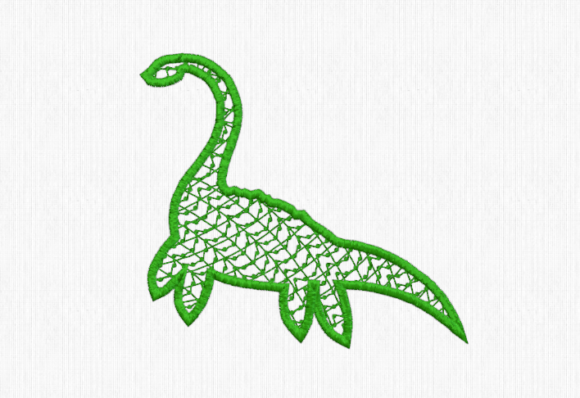
As an embroidery designer preparing products for a weekend craft fair booth, my first task is to evaluate a new design’s potential. When I look at Scaly Swimming Dinosaur, the immediate impression is a mix of cute, legendary, and playful. It’s not overly intense or rustic; it feels like a charming, character-driven design perfect for adding a touch of whimsy to everyday items. That "simple" description in the product details is key—it suggests a design that won’t be a production nightmare, which is a huge plus when batch-making items for a fair.
Where This Design Shines on the Booth Table
My booth display will have a range: embroidered tote bags, aprons, tea towels, caps, patches, small pouches, pillow covers, and assorted giftable items. Scaly Swimming Dinosaur needs to find its best home. The legendary Loch Ness monster theme makes it a natural fit for items that tell a small story or add personality. I see it standing out brilliantly on a few key products.
On a solid-color canvas tote bag or a market bag, it becomes a fun, decorative focal point. It’s intriguing enough to catch a customer’s eye as they walk past—they’ll recognize the creature instantly, and the "scaly" detail adds texture that makes it look more premium than a basic outline. For kitchen items like aprons or tea towels, it injects a bit of humor and character into a functional space. It feels less "farmhouse" and more "playful modern," which can appeal to buyers looking for something unique, not just generic.
As an embroidered patch, it’s perfect. The scaly design provides visual interest, and the simple, clear shape ensures it remains recognizable even at a smaller size. Patches are hot sellers at fairs, and this one fits into the Wild Animals category in a quirky, memorable way. On a cap, the curved surface can be tricky, but a simpler design like this, placed tastefully, could work well, especially for a younger or whimsical audience.
Practical Production: Keeping It Simple and Sellable
The product description calls it a "simple embroidery design," and that’s the biggest advantage for a handmade business owner. From a production standpoint, simplicity translates to faster stitching, fewer thread color changes, and less risk of errors during batch runs. For my craft fair products, I need designs that are efficient to produce in multiples.
I would advise any Etsy seller or small shop owner to consider this design as a strong candidate for repeatable batch production. It likely works as both a medium-sized focal design on a tote and a smaller accent on a pouch. However, the word "scaly" in the title prompts a crucial production check. Dense stitch areas to create scale textures can affect stitch density. On textured fabrics like terry cloth towels or certain canvas, that density might need adjustment to prevent puckering.
Critical Checks Before You Stitch
Before committing to a full production run for your handmade products, always do these practical steps:
- Test the embroidery file on scrap fabric of the same type you’ll use (e.g., the canvas for bags, the cotton for towels).
- Check thread contrast. This design, being a defined creature, will pop best on lighter fabrics; on dark fabric, you’ll need bright, contrasting thread colors.
- Review spacing and any potential tiny details. Ensure the scaly texture remains clear and doesn’t become a muddy blob at your intended hoop size.
- Inspect stitch density on your test piece. High density on thick fabric or curved cap surfaces requires the right stabilizer to maintain quality.
- Create at least one real, finished mockup of your best product idea (like a tote bag or patch). A real sample tells you more than a digital mockup ever will.
- Compare how it looks on different fabric colors in person—photographs for online listings can misrepresent the true feel.
- Most importantly, confirm your commercial embroidery licensing for the digital embroidery file. Never assume; always verify before selling finished products.
Selling Power and Booth Impact
From a sales perspective, Scaly Swimming Dinosaur has good visual appeal. It’s easy to understand at a glance—it’s Nessie! That instant recognition grabs customer attention. It feels handmade and decorative without looking overly complicated, which can enhance the perceived value of a simple tea towel or apron. It adds a handmade quality that shoppers at fairs actively seek.
For brand consistency, if your shop leans toward playful, mythical, or animal-themed items, this design is a cohesive addition. In a booth display, grouping several products featuring this same design—a tote, a towel, and a patch together—creates a strong, thematic vignette that draws buyers in and encourages them to engage with the story behind the products. It’s more engaging than a random assortment of unrelated designs.
Photographing it for Etsy listings or printable mockups should be straightforward due to its clear shape and likely good contrast. However, be wary of shooting it on highly textured fabrics where the scaly detail might get lost in the photo.
Final Designer Notes for Your Weekend Fair
In summary, Scaly Swimming Dinosaur is a promising design for craft fair and handmade market products. Its cute, legendary character makes it suitable for a range of items, with tote bags, kitchen linens, and patches being standout applications. Its described simplicity is a major asset for production efficiency.
Remember to always test thoroughly, especially regarding the scaly texture’s stitch density on your chosen fabrics. Use the right stabilizer, and confirm all licensing. With those boxes checked, this design can become a charming, attention-grabbing part of your booth, offering a fun story that customers love to buy into. Focus on making it look premium and well-executed on your chosen products, and it will hold its own on a crowded craft fair table.