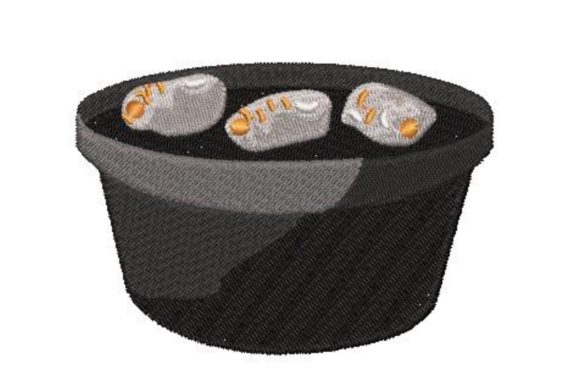
The Heartwarming Glow of a Cozy Dutch Oven Design
As an embroidery designer planning a new line of personalized gifts, my first task is always to stitch a test piece and see a design come to life. Today, I’m reviewing Dutch Oven Filled with Glowing Charcoal, a charming machine embroidery design that immediately feels like it belongs in a cherished home. This isn't just a technical file; it's a story waiting to be stitched onto a meaningful gift.
The Immediate Charm: A Design That Feels Like Home
Hooped up and stitched, this design has a wonderfully classic and handmade feel. The dutch oven itself is depicted with a solid, comforting shape, while the "glowing" charcoal inside creates a warm, inviting focal point. The mood is neither overly playful nor starkly modern—it sits perfectly in that sweet, timeless middle ground. It evokes the feeling of a simmering stew, a family recipe, or a cozy kitchen evening. This emotional appeal is its greatest strength for personalized gift creation. It doesn't shout; it warmly invites.
The detail level is thoughtful. The design focuses on the recognizable silhouette and the glow effect, rather than ultra-fine intricacies. This is a smart approach, making it adaptable. On a crisp cotton pillow cover, it looks elegant and clean. Stitched onto a textured apron or a fluffy blanket, it gains a charming, rustic quality. For Etsy sellers and craft fair products, this versatility is key.
Imagining the Finished Personalized Product
So, who would be drawn to a gift featuring this embroidered dutch oven? Let’s picture a few real-case scenarios.
A customer might request it on a baby blanket or nursery item for a family that loves cooking, turning it into a unique heirloom. For a wedding gift, stitching it on a kitchen towel or pillow cover alongside the couple’s names and date creates a deeply personal keepsake celebrating their new home. It’s perfect for a custom tote bag for a food-loving friend, or as a standout feature on a chef’s apron.
The application for baby embroidery is charming, but requires consideration for fabric choice. The design’s solid areas would look beautiful on a baby’s quilt, but I’d avoid very stretchy knit baby clothes where the larger filled areas might distort. For embroidered towels and items needing frequent washing, its robust shapes will hold up well, adding to the perceived value and longevity that customers appreciate.
Practical Placement & Considerations for Success
While adaptable, some thoughtful testing ensures every finished product feels professional. The glowing charcoal area, while not overly detailed, has smaller, clustered elements. On very textured fabric like thick terrycloth towels or napped blankets, using the correct stabilizer is crucial to keep those glow-details crisp. Similarly, if you plan to add small lettering for personalization next to the design, test the font size separately on similar fabric.
Dark fabric presents a beautiful opportunity—the glowing charcoal effect can become even more dramatic. However, a thread color contrast check is essential. Creating both light and dark fabric mockups, even digital printable mockups for your online shop, helps customers visualize the outcome and builds customer trust. For small shop products sold on curved surfaces like tote bag sides, confirming the hoop size compatibility and possibly stitching a test on a similar curve prevents puckering.
Enhancing Giftability & Customer Connection
This design inherently boosts giftability. It’s specific enough to feel thoughtfully chosen (for a cook, a new homeowner, a family) yet universal enough to appeal broadly. In product photography, its warm theme photographs beautifully against natural wood or linen backgrounds, enhancing the handmade quality and inviting buyer engagement. When a customer sees this embroidery on a listing, they immediately start imagining it in their own kitchen or as a gift for someone special. That emotional connection is what turns a viewer into a buyer.
Essential Embroidery Notes Before You Stitch for Customers
Before running this digital embroidery file on a final customer order, my professional process involves a few key steps. First, always test on scrap fabric that matches your intended final material—whether it's a smooth cotton for a pillow or a textured fabric for a blanket. This reveals how the stitch density interacts with the material.
Review the small details after stitching, especially the interior glow sections, to ensure they read clearly. Confirm the design comes in the embroidery file formats your machine requires. Crucially, if you plan to sell the finished product commercially, verify the commercial embroidery licensing terms for this design file before listing any handmade product. This protects your small business.
Finally, the true test: hold your stitched sample. Does Dutch Oven Filled with Glowing Charcoal feel like a gift? In my hands, on a kitchen towel, it absolutely does. It’s a design that speaks softly of home, comfort, and shared meals—making it a wonderful, warm-hearted addition to any line of custom embroidery gifts.