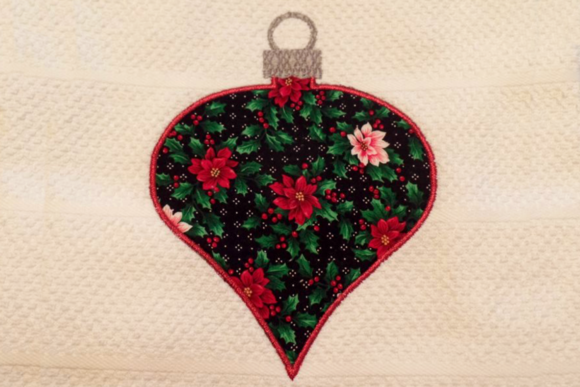
Craft Fair Review: The Glass Onion Christmas Ornament
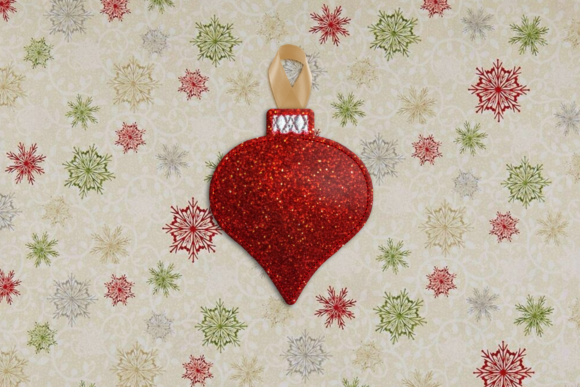
From my perspective as an embroidery designer, preparing for a weekend craft fair means evaluating designs not just as files, but as real, tactile products that will catch a shopper’s eye from three feet away. The Glass Onion Christmas Ornament presents a fascinating case study for this. The name itself suggests a blend of whimsy and tradition, leaning towards a decorative, rustic-farmhouse feel with a touch of modern simplicity. It’s not overtly cartoonish or aggressively bold, which gives it a versatile, premium handmade quality.
First Impressions and Product Fit
When I think about laying out my booth with tote bags, aprons, tea towels, and pillow covers, I immediately consider where this design would stand out. The Glass Onion Christmas Ornament feels inherently decorative and festive, but its onion shape adds a unique, conversational twist. It avoids being a generic snowflake or star, which is a huge advantage in a crowded holiday market. This uniqueness makes it a perfect candidate for products where the design is the focal point.
On a crisp, natural linen tea towel or apron, this embroidery would look elegant and kitchen-ready. Appliquéd onto a canvas tote bag or a market bag, it becomes a statement piece that suggests a handmade, artisanal gift. As a standalone embroidered patch, it could attract collectors or those looking to customize their own gear. For smaller items like fabric pouches or caps, however, careful consideration is needed; the entire ‘ornament’ shape must be readable at a reduced scale without losing its charm.
Production Practicality for Craft Fair Sellers
Batch production is the lifeblood of a successful fair booth. The apparent simplicity of the Glass Onion Christmas Ornament design is promising for repeatability. A clean, recognizable shape typically means fewer color changes and manageable stitch counts, allowing you to run several items efficiently. However, the word “applique” in the description is a key production note. Applique techniques involve layering fabric pieces, which can add time and material cost but also result in a beautiful, textured finish that customers value as high-quality handmade work.
Before running a batch, always test the design on scrap fabric identical to your final product fabric. Check thread contrast, especially if you plan to stitch on dark fabrics like navy or black. Inspect the stitch density in any filled areas to ensure it’s suitable for your chosen fabric texture; dense stitching on a textured towel or a lightweight cap can cause puckering or stiffness without the correct stabilizer. Confirm the required hoop size by reviewing the provided embroidery files—this dictates which products you can realistically hoop.
Visual Appeal and Customer Engagement
At the fair, your product must communicate its value instantly. The Glass Onion Christmas Ornament has a strong visual hook. Its name and shape create a slight puzzle—a “glass onion”—that can spark curiosity and conversation. This directly boosts buyer engagement. A customer might point it out to a friend, asking, “Is that an onion ornament?” That moment of interaction is a sales opportunity.
For visual appeal, consider color strategy. Using traditional red and green threads on a cream fabric screams classic Christmas. Using muted blues and silvers on gray linen leans into a modern, rustic aesthetic. This flexibility allows you to align the design with your brand’s overall look, strengthening your booth’s cohesive display. A well-executed applique version on a pillow cover, for instance, can look so premium it justifies a higher price point.
The Critical Details: Photography and Scaling
For my Etsy listings and printable mockups, how a design photographs is paramount. The Glass Onion Christmas Ornament, being a distinct shape with likely clear outlines, should photograph well for online sales. Close-up shots that show the neat applique edges and clean stitching will emphasize the handmade quality. However, I would be cautious about using it at very small sizes. If the design includes tiny details or small lettering within the ornament, those elements might vanish on a cap brim or a small pouch, reducing clarity and perceived value.
When producing for different products, think of it as a spectrum: large focal point items (tote bags, pillow covers, aprons) are its strongest arena. As a small accent (on a cap, or as a tiny patch on a bag strap), it risks becoming an unclear blob. Always create at least one real physical mockup of the design on your intended product. Hold it in your hand, look at it from a distance, and see if the “ornament” concept holds.
Final Checklist Before the Fair
Turning this digital embroidery file into a profitable craft fair product requires a final review. Here is my practical checklist:
- Confirm Licensing: Verify the included commercial embroidery license allows you to sell finished products.
- Compare Fabric Colors: Test the design on several swatches of your staple fabrics (linen, cotton, canvas) to choose the most appealing combination.
- Stabilizer Match: Select the right stabilizer for each product type—cutaway for permanent items like bags, tear-away for temporary items like towels.
- Thread Inventory: Based on your tests, ensure you have enough thread for batch production.
- Booth Display Plan: Decide which product will be your hero item showcasing the Glass Onion Christmas Ornament. A beautifully made sample can sell dozens of simpler versions.
In conclusion, the Glass Onion Christmas Ornament machine embroidery design is a strong contender for holiday fairs. Its unique theme offers differentiation, its structure suggests good production efficiency, and its aesthetic flexibility allows it to fit into various product lines. By focusing on larger-scale applications and executing with attention to fabric and stabilizer, you can transform this design into a series of handmade products that capture both the festive spirit and the discerning eye of a craft fair customer.