The Avocado Scuba Diver: A Craft Fair Product Review
As an embroidery designer preparing for a weekend craft fair, I look at every new design with a very specific lens: will it stand out on a crowded table? Does it tell a story customers can grasp instantly? Is it practical to produce in batches for my handmade shop? Today, I'm reviewing the Avocado Scuba Diver machine embroidery design to see if it deserves a spot in my booth lineup.
First Impressions: Funny, Cute, and Instantly Engaging
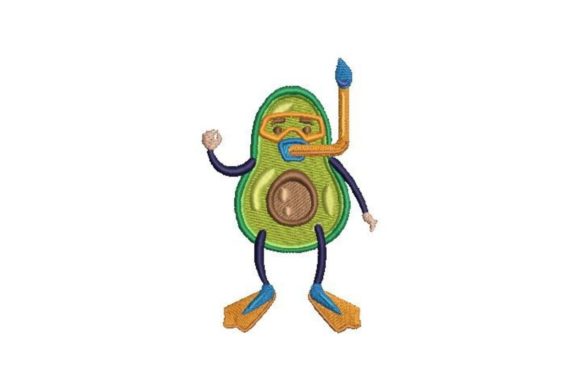
The moment you see the title Avocado Scuba Diver, you get it. It’s funny, it’s cute, and it combines two wildly popular themes: food whimsy and a love for the ocean. This isn't a delicate, minimal design; it's a bold, character-driven piece meant to provoke a smile. The humor is its strongest selling point. In a sea of rustic farmhouse and elegant floral designs at a typical market, this piece will act as a visual magnet, drawing in customers who appreciate something playful and modern.
Where This Design Shines on Products
The key to success with any embroidery file is matching it to the right medium. For the Avocado Scuba Diver, I envision it performing exceptionally well on certain handmade products.
Tote Bags and Market Bags
This is a prime candidate for a tote bag design. The scale needs to be substantial—a large, central focal point on the bag's front panel. The playful theme turns a simple bag into a statement piece, perfect for the beach, grocery runs, or as a gift for a scuba enthusiast. It photographs beautifully for online listings, offering clear storytelling in an Etsy shop or printable mockup.
Aprons and Kitchen Towels
Given its playful nature, apron embroidery and tea towel embroidery in a kitchen setting work surprisingly well. It leans into the 'avocado' part of its identity, making it suitable for casual, fun kitchens. On a dark fabric apron, with good thread color contrast, it would pop brilliantly.
Embroidered Patches and Caps
As an embroidered patch, it offers incredible versatility. Patches can be applied to backpacks, jackets, or sold as standalone items. On caps, however, caution is needed. The curved cap surfaces and potentially smaller required size mean you must test the design thoroughly to ensure the scuba gear details and avocado shape don't lose clarity.
Small Pouches and Giftable Items
For small fabric pouches or pillow covers, the Avocado Scuba Diver can serve as a delightful accent. At a smaller size, it becomes a charming detail rather than a main event, increasing its product range for boutique makers.
Practical Production and Selling Considerations
Turning a digital embroidery file into a sellable craft fair product requires practical judgment.
Ease of Understanding and Batch Production
The design's concept is easy to understand at a glance, which is vital for fast-moving fair customers. This clarity also makes it feel repeatable for batch production. You can efficiently run a series of tea towels or tote bags without each feeling overly unique, streamlining your workflow.
Stitch Density and Fabric Choices
Without knowing the exact stitch count, I must advise: always test this design on scrap fabric first. Assess the stitch density, especially in the avocado body and scuba tank areas. Dense stitch areas on textured towels or thick fabric like canvas might require a heavier stabilizer to prevent puckering and maintain that handmade quality look.
Thread Color Contrast and Photography
Thread colors will be crucial. On light fabrics, the design will be vivid. On dark fabrics, you must ensure the chosen palette has enough contrast to keep the avocado and its gear distinct. This contrast directly affects how well it photographs for your Etsy seller listings or digital storefront—poor contrast can make a wonderful design look muddy online.
Hoop Size and Commercial Use
A critical step is confirming the hoop size requirements and, most importantly, the commercial licensing before selling finished products. As a commercial embroidery asset, you need clear rights to use it on items for sale. The product description mentions multiple embroidery file formats, which is excellent for machine compatibility, but always verify the license terms yourself.
Craft Fair Booth Impact and Customer Appeal
In a real-world booth scenario, I would place an Avocado Scuba Diver tote bag prominently at the front of my table. Its narrative—a cute avocado scuba diving—invites conversation. It boosts buyer engagement because people will comment on it, laugh, and share their own stories about avocados or diving. This engagement is priceless for sales.
The design elevates product value by adding a unique, professional embroidery layer to a basic item. It strengthens booth display by providing a clear thematic anchor that isn't seasonal or overly niche. For brand consistency, if your small shop product line leans toward humor and modern whimsy, this design fits perfectly. If your brand is more rustic or elegant, it could serve as a standout outlier to attract a different customer segment.
Final Designer Notes Before You Stitch
Before you commit this design to your production queue, follow this checklist. Create at least one real mockup on the final product fabric—a tote bag, towel, or cap. Compare how it looks on different fabric colors. Inspect the stitch density and fine details like the scuba mask; tiny details may vanish if you reduce size too much for a patch. Use the right stabilizer for the fabric texture. Confirm the embroidery file works with your machine and intended hoop size. These steps separate a successful handmade product from a disappointing one.
The Avocado Scuba Diver is a strong contender for sports-themed and humor-focused product lines. Its charm is immediate, its application is versatile, and its potential to catch a customer's eye in a bustling handmade market is high. With careful production testing, it can become a reliable, attractive part of your craft fair offerings and digital embroidery file portfolio.