The Child Merman Embroidery Design: A Craft Fair Gem
As I prepare my inventory for the weekend's craft fair, I'm evaluating every design for its real-world selling power. The Child Merman embroidery file arrives with a specific mission: to decorate kids' bath supplies. But in my hands, it becomes a product. Let’s review where this cute fairy tale character shines on the booth table and where it might need a little extra care.
First Impression: Cute, Soft, and Immediately Understandable
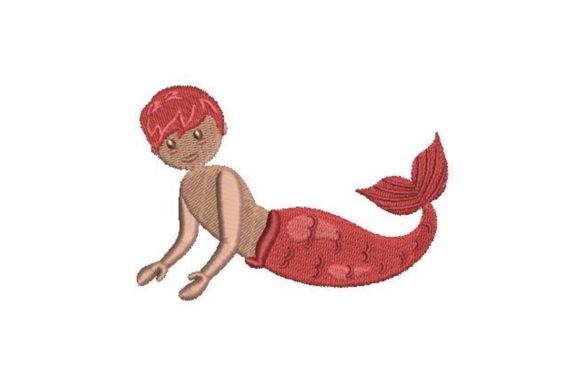
The Child Merman design leans heavily into the cute and soft aesthetic. It’s not bold or rustic; it’s decorative and playful. This is its immediate strength. At a bustling market, customers scanning a table of handmade products will grasp its theme in a glance—a friendly, whimsical sea creature for children’s items. This clarity is gold. It doesn’t require explanation; it triggers an emotional connection, often with parents or gift-seekers. The “Fairy Tales” category fits perfectly, positioning it not just as a bath motif, but as a storybook charm.
Product Performance: Where the Child Merman Stands Out
Based on the description, bath supplies like towels are the natural home. But a craft fair booth thrives on variety. Here’s how I see it performing across typical handmade products.
Stars of the Display: Towels, Pouches, and Pillows
On kitchen towels or hand towels, the Child Merman is a winner. It feels giftable and functional. For small fabric pouches or pencil cases, it adds a delightful, child-friendly focal point. Pillow covers, especially for a child’s room or a nautical-themed decor, elevate the design into a more premium handmade product. These items allow the design to be showcased at a good size, maximizing its cute details.
Strong Supporting Players: Totes, Patches, and Caps
A tote bag or market bag embroidered with this design becomes a special “mommy-and-me” or beach bag. It tells a story. As an embroidered patch, it offers versatility—customers love applying patches to jackets or backpacks. On a cap, it’s a fun, summery accent. However, the curved surface of a cap requires careful stabilization.
Potential Challenges: Aprons and Very Small Items
On an apron, it could work for a child’s apron or a playful kitchen theme, but it might feel less cohesive than on bath or beach items. As a very small accent on a tiny item, some of its charm might compress. The design’s appeal relies on its gentle expression and aquatic details, which need space to breathe.
The Practical Production Checklist
Turning a digital embroidery file into a sellable craft fair product requires a hands-on test. Here are my notes for batch production.
Fabric and Thread Considerations
Fabric texture is crucial. The description mentions towels. Textured or looped towels can obscure finer details. I’d test first on a scrap of similar material. For dark fabric, thread color contrast is vital—light blues, teals, and a bright skin tone for the merman will pop. On light fabrics, the design will feel soft and seamless. Always use the right stabilizer for the base material to prevent puckering, especially on towels or bag fabrics.
Stitch Density and Detail Clarity
Without the exact stitch count, I must advise: examine the file preview. Look for dense stitch areas, like the merman’s tail or hair. High density can be great for durability on items like patches or totes but might require slower production. Check for any tiny details or small lettering that might vanish if you reduce the size too much for a cap or a small pouch. Always confirm the hoop size required for your intended product. A design meant for a towel might need a larger hoop than one for a patch.
Batch Production and Online Sales Readiness
For craft fair product batch production, this design feels repeatable. It’s not overly complex, suggesting efficient stitching once settings are dialed in. For Etsy sellers and online listings, it photographs well. The cute theme is visually clear even in small thumbnail images. Creating at least one real mockup—a finished towel or pouch—is essential. It proves the handmade quality and provides a physical sample for your booth. Printable mockups using your design assets can help visualize products for listings, but the real item always sells better.
Booth Strategy: Engaging Buyers and Adding Value
At the fair, the Child Merman affects your display in specific ways.
Its visual appeal is niche but strong. It will attract buyers looking for children’s gifts, beach-themed items, or unique fairy tale decor. To capture customer attention, place it alongside complementary products—maybe a set of mermaid towels or ocean-blue market bags. This creates a mini-collection on your table.
It enhances product value. A plain towel becomes a themed, handmade gift. This justifies a higher price point. For brand consistency, if your shop leans into whimsical, child-friendly, or nautical themes, this design integrates perfectly. If your style is more minimalist or rustic, it might stand as a special seasonal item.
Booth display strength comes from showing it on the best possible product. A beautifully embroidered pillow cover or a high-quality towel sample speaks louder than a file description. Buyer engagement often starts with a story: “Isn’t he sweet? This would be perfect for a little one’s bath time.” That personal touch turns a digital design into a memorable purchase.
Final Designer Notes Before the Fair
My last steps before loading the hoop are practical. Test the design on scrap fabric identical to my final products. Check thread contrast against various fabric colors I plan to use (white, blue, gray). Review spacing and layout if I plan to add text or combine it with other elements. Inspect stitch density on my test piece to ensure it feels durable but not stiff, especially for towels. Most importantly, as this is for commercial embroidery and selling finished products, I must confirm commercial licensing is included with the embroidery file purchase. Only then do I proceed to batch production, ready to offer a charming, well-executed Child Merman to the craft fair crowd.