Why This Cow Face Embroidery Design Is a Craft Fair Winner
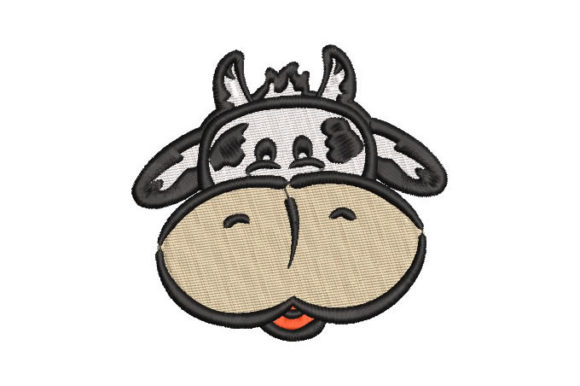
From a professional embroidery designer’s standpoint, reviewing a new file is all about imagining it on a finished product on a crowded craft fair table. When I first looked at the Cow Face embroidery design, my immediate impression was a strong, positive one: this is a fun and quirky, genuinely cute character. It’s not overly rustic or farmhouse; it feels modern and approachable. That “cute” factor is a universal seller. It’s the kind of design that can bridge demographics, appealing to kids, adults looking for a whimsical kitchen accent, and anyone who enjoys a bit of lighthearted charm.
First Impressions & Product Fit
The description says it will “brighten up your designs,” and I agree. The mood is cheerful and decorative. This makes it incredibly versatile for a weekend craft fair booth. Your booth display needs items that catch the eye quickly and convey their purpose instantly. Cow Face does that. It’s bold enough to stand out but soft enough to feel handmade and premium, not mass-produced.
Thinking about my typical table—embroidered tote bags, aprons, tea towels, caps, patches, pouches, pillow covers—I see several strong contenders for this machine embroidery design.
Where Cow Face Will Stand Out
- Tote Bags & Market Bags: This is a prime location. A single, well-placed Cow Face on a neutral canvas tote creates a fantastic focal point. It feels giftable and useful. The design’s size needs to be considered; it should be large enough to be appreciated but not so large it overwhelms the bag.
- Aprons & Kitchen Towels: In the Farm Animals category, this design is perfect for home goods. On an apron pocket or a tea towel corner, it becomes a delightful accent. It suggests a cozy, welcoming kitchen without being too theme-specific.
- Caps: The description mentions caps specifically. This is a good test. Embroidering on curved surfaces requires a design with good structure. I’d want to check the stitch density and any potential for puckering on the cap’s front panel.
- Embroidered Patches: This is a brilliant application. A Cow Face patch, backed with iron-on material or sold as a sew-on option, is a low-cost, high-appeal item. It allows customers to personalize their own jackets, jeans, or bags. Patches sell very well at fairs.
- Small Pouches & Pillow Covers: For smaller, giftable items like a fabric pouch, the design would need to be scaled appropriately. On a pillow cover, it could be a charming, repeatable motif, perhaps paired with other simple animal designs for a cohesive set.
Practical Production & Selling Points
Turning a digital embroidery file into a profitable craft fair product requires practical thinking. Here’s my review from a production and sales angle.
Design Clarity & Batch Production
The design is easy to understand at a glance—a clear cow face. This is crucial for quick customer engagement at a busy fair. It works excellently as a medium to large focal design. I would be cautious about making it too small, as facial details and any potential tiny features (like eyelashes) might lose clarity and become stitch-heavy blobs on textured fabrics like tea towels.
For batch production, it feels very repeatable. It’s not overly complex, which means stitching multiple items should be efficient, assuming the file is well-digitized with reasonable stitch counts and clean color changes. This is key for small shop product batches.
Photography & Online Sales
For Etsy sellers and online listings, this design should photograph beautifully. The cute character translates well visually. Creating a real, physical mockup—at least one—is non-negotiable. A photo of the Cow Face on an actual tote bag or apron, showing the texture of the stitches, will far outperform a digital printable mockup. The handmade quality becomes evident.
Careful-Use Notes for the Embroidery Designer
Before you run this file on your final products, a few professional checks are essential.
- Test on Scrap Fabric First: Always. Use the same fabric you intend to sell on—canvas for bags, twill for caps, linen for towels. Check for puckering.
- Review Thread Contrast: The design’s appeal depends on clear contrast. Test it on both light and dark fabric. You might need to adjust thread colors (e.g., using a lighter outline on dark denim) to maintain clarity.
- Inspect Stitch Density: High density on thick fabrics like denim jeans can be problematic. It can also make the design stiff on flexible items like pouches.
- Check Hoop Size & Stabilizer: The description mentions it comes with “multiple embroidery,” which likely indicates multiple file formats or sizes. Confirm the hoop size required for your intended product. Match it with the correct stabilizer—cutaway for permanent items like bags, tear-away for temporary applications like patches.
- Fabric Texture: On textured towels, the design’s smooth appearance might be slightly broken up. This can add to the handmade charm, but you need to see it firsthand.
- Commercial Licensing: The description does not specify license terms. Before selling any finished product, you must confirm that your use of this digital embroidery file is permitted for commercial embroidery and sale. Never assume.
Final Booth Display & Customer Engagement Thoughts
In a live craft fair setting, Cow Face has the potential to be a real attention-grabber. Its visual appeal is direct and friendly. On a well-made tote bag, it increases the perceived value of that bag—it’s no longer just a plain canvas tote; it’s a unique, handmade item with personality.
For brand consistency, if your shop leans towards cute, animal-themed, or modern farmhouse styles, this design fits seamlessly. You could create a whole collection around it. Displaying a group of items all featuring the Cow Face—a towel, a patch, and a pouch together—creates a strong, cohesive booth section that tells a story and encourages multiple purchases.
Ultimately, the success of any embroidery design at a fair comes down to its execution. Cow Face has the foundational charm and versatility to sell well. My strongest recommendation is to place it on products where its cute character is both visible and practical—a tote bag for daily use, a patch for personalization, or a kitchen towel for a pop of joy. Produce it with care, using the right materials and techniques, and it will not only brighten up your designs but very likely brighten up your sales totals too.